

News of the Nude, Mar. 2026
Volume 39: Cape Town crackdown, Brazil battles, Germany reshaped

Welcome to the latest News of the Nude!
It’s the end of March, which means we’re heading into the final stretch of our member raffle—a great month of new signups and strong support for the work we’re doing here.
We’ll be drawing 19 winners live on our Discord on Friday, April 3rd at 12 PM Pacific, including a grand prize Planet Nude Field Kit plus a range of Sticker Club memberships, merch, and sticker packs.
You can still enter: get three raffle entries by either becoming a subscriber, joining the Sticker Club, supporting us on Discord, or buying a raffle ticket.
The stream will be available to paid subscribers and Discord supporters on the Planet Nude Discord. Winners will be contacted shortly afterward. If you’ve been thinking about entering, this is your last call. The raffle closes March 31st.
Okay, with that pledge drivey stuff out of the way, let’s turn to the business at hand. It’s Spring! Things are warming up. This month we’ve got a World Naked Bike Ride shut down in Cape Town, a court in Brazil stepping in to protect naturists at Galheta, and growing petitions in Germany and South Africa. There’s also a massive nude sculpture still stirring debate in San Francisco, a new Arizona bill raising questions for naturist media, and a TV episode that drops into a real nudist community. Plenty here worth digging into! Onward! 🚀
News of the Nude, Vol. 39 🪐
Controversial nude woman sculpture gets extended run at San Francisco’s Embarcadero Plaza
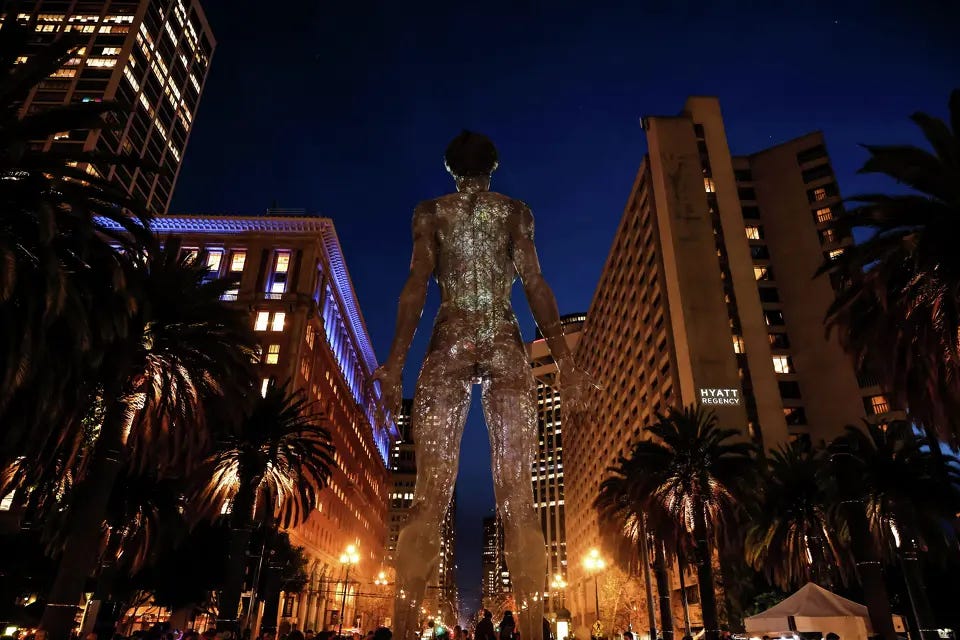
Kicking things off with a slightly lighter piece of news, San Francisco has voted to extend the run of “R-Evolution,” a 45-foot nude female sculpture installed at Justin Herman Plaza, keeping it on display through October. Originally created for Burning Man and funded privately, the piece has been one of the most visible—and debated—public artworks in the city over the past year. Supporters see it as a striking, body-positive celebration of the human form, while critics have focused less on nudity itself and more on process, questioning how a large-scale nude figure entered a prominent civic space without meaningful public input. In a city like San Francisco, nudity in art is generally pretty well tolerated if not expected. The friction here isn’t really about the body so much as it is about who gets to place that art in public, and under what authority. 🚀
Arizona bill raises concerns for naturist media
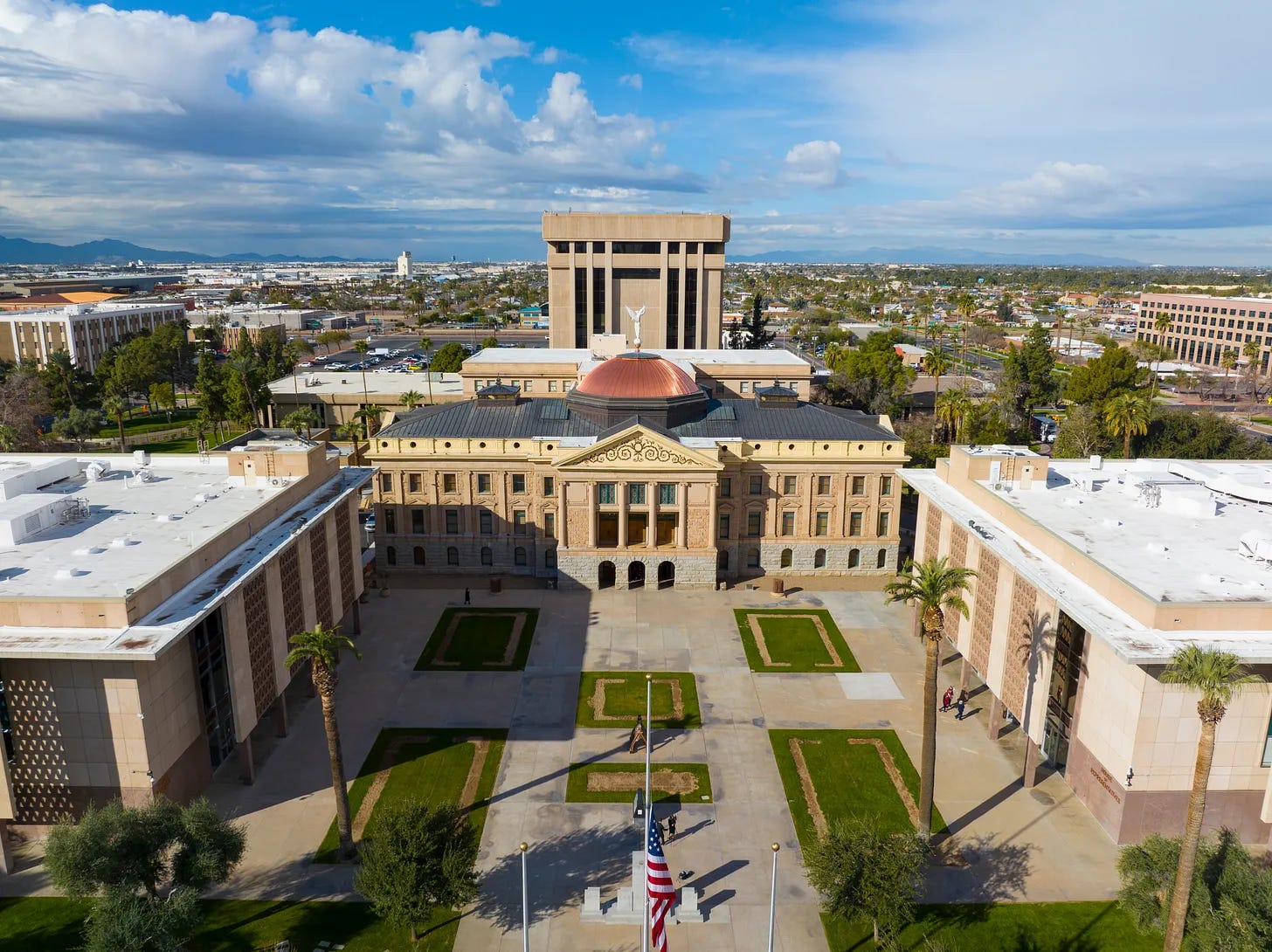
Arizona’s HB2133 targets revenge porn and AI-generated sexual imagery but introduces recordkeeping and verification rules that could spill into lawful nude publishing. Because it hinges on “harmful to minors” definitions rather than nudity itself, naturist content isn’t directly banned—but the compliance burden is enough to make archives and publishers cautious, and has led nude recreation advocates to react. 🚀
How a Local Outcast Found His Nudist Haven in ‘Neighbors’ — And What Happened Next
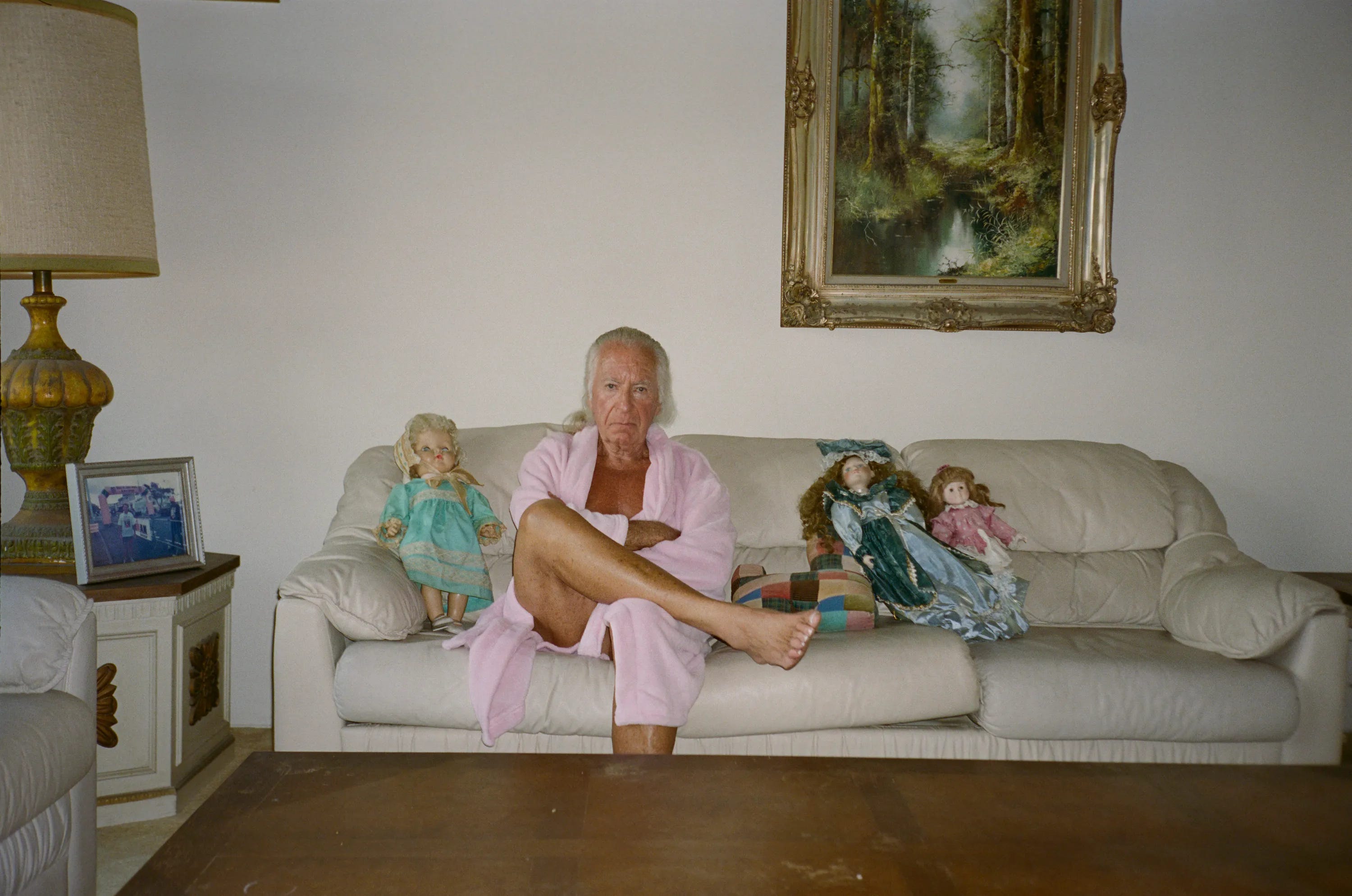
HBO’s Neighbors follows a San Diego man named Danny Smiechowski who is ridiculed by his neighbors for exercising in minimal clothing as he visits a Florida nudist community that treats him far differently than his own neighborhood. The contrast is straightforward: suburban discomfort versus a structured environment where nudity is normalized through shared expectations, with the show ultimately portraying the nudist community as welcoming to outsiders precisely because they are outsiders themselves. I had the chance to consult on this episode and help connect the production with San Diego-area nudists—including Claudia Kellersch, who played a key role and appears in the final house party scene—though I wasn’t privy to the story itself during production. The episode isn’t exactly promotional of nudism, but it does depict a functioning community with a kind of kooky openness that feels true to life. I was pleased to spot my name in the special thanks. 🚀
Court blocks arrests over naturism at Brazil’s Praia da Galheta
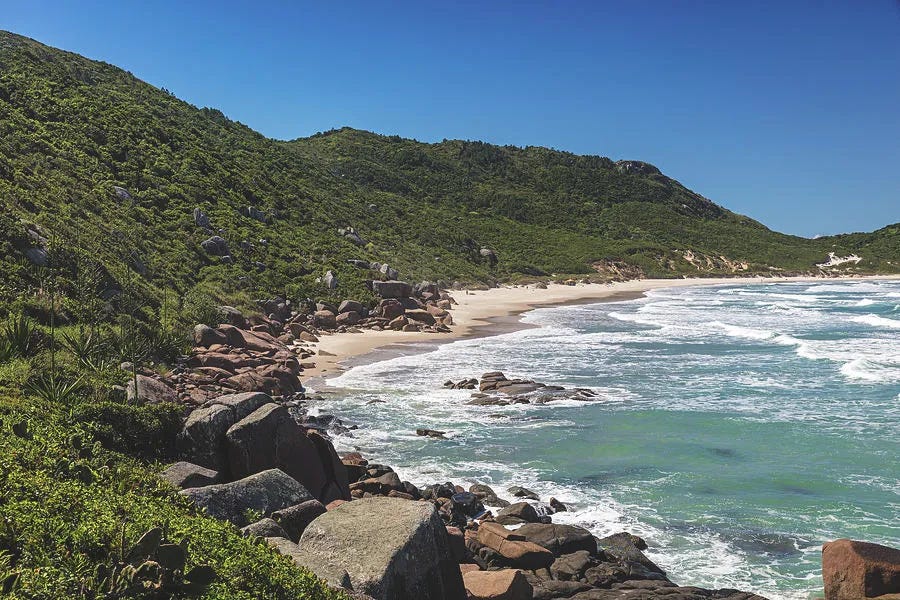
A Santa Catarina court has barred police from arresting or citing individuals at Praia da Galheta solely for nonsexual nudity, drawing a clearer legal distinction between naturism and obscenity. The ruling follows years of uncertainty after the beach’s reclassification as a protected area stripped away its earlier semi-official status. While the decision stops short of formally legalizing naturism, it removes one of the primary enforcement tools authorities had used against beachgoers. In practice, Galheta remains unofficial—but it is no longer casually criminalized. 🚀
Sponsor message:

The free body under pressure as public authority, moralism, and financial interests threaten naturism in Brazil [translated]
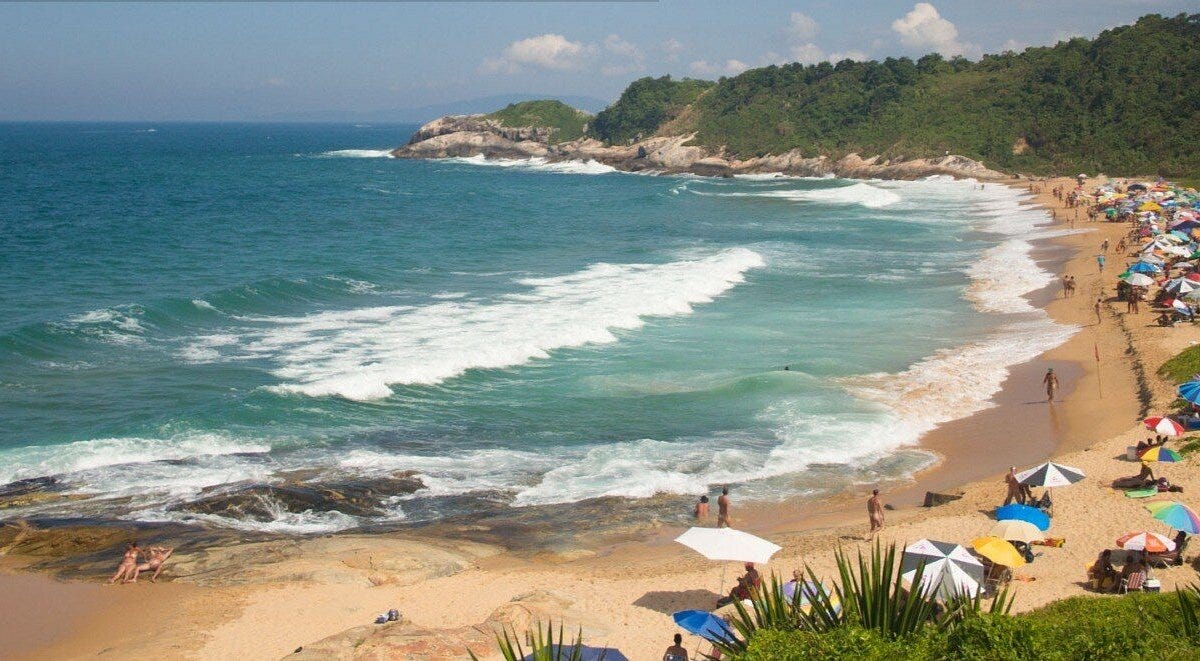
This academic piece isn’t exactly news, and it’s a few weeks old now, but I’m including it because it adds valuable context to the situation in Brazil. Focusing on the attempted rollback of naturism at Praia do Pinho, the article argues that the real drivers aren’t safety or administration, but a familiar mix of moral pressure and land-value politics. It’s written in Portuguese and I had to run it through translation to fully follow it, but it helps fill in the broader picture behind the beach fights at Pinho and Galheta that we’ve been covering on Planet Nude.
What emerges is a contradiction that will feel familiar: hyper-sexualized, commercialized bodies are widely accepted, while non-sexual nudity that doesn’t sell anything is treated as a problem. The piece also points to the ongoing legal limbo, where collective habeas corpus protections have been used to keep naturists on the sand—something that now applies to both beaches, though it did not yet extend to Galheta when this was written. Taken together, it offers a clearer sense of where these conflicts are coming from, and where they may be headed. 🚀
Cape Town’s World Naked Bike Ride is canceled after 18 years
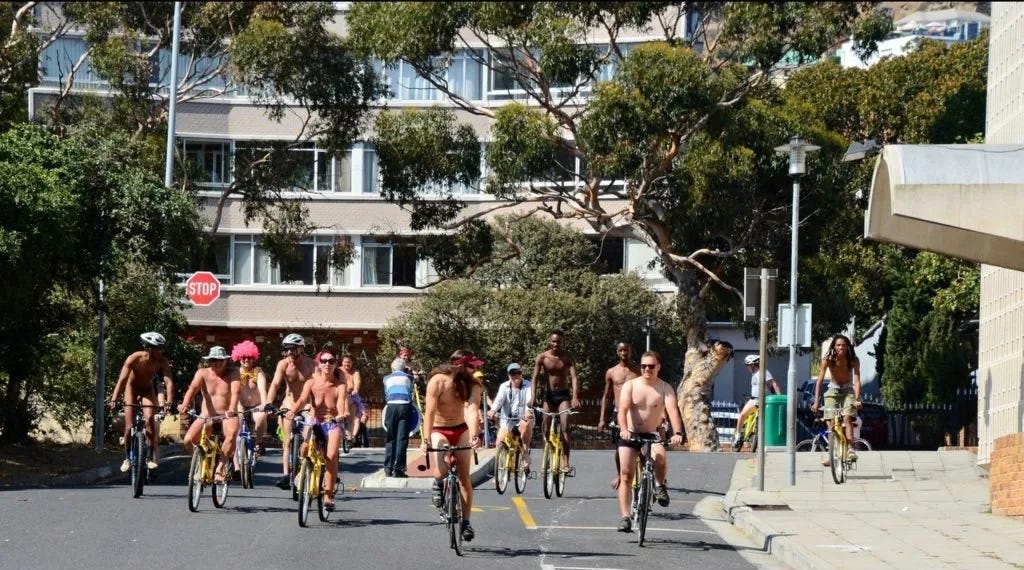
After nearly two decades of uneasy coexistence with city authorities, Cape Town’s World Naked Bike Ride did not roll this year. Organizers say permitting broke down after officials imposed a condition that participants be fully clothed—effectively ending a protest built around public nudity. The ride had long operated in a legal gray area, approved through negotiation rather than clear policy, but that tolerance appears to have narrowed sharply in 2026.
Authorities are now leaning more explicitly on sexual offences law language about public exposure in shared spaces, reframing what had been treated as protest and expression into a question of compliance. 🚀
South Africa may finally decide the fate of Sandy Bay
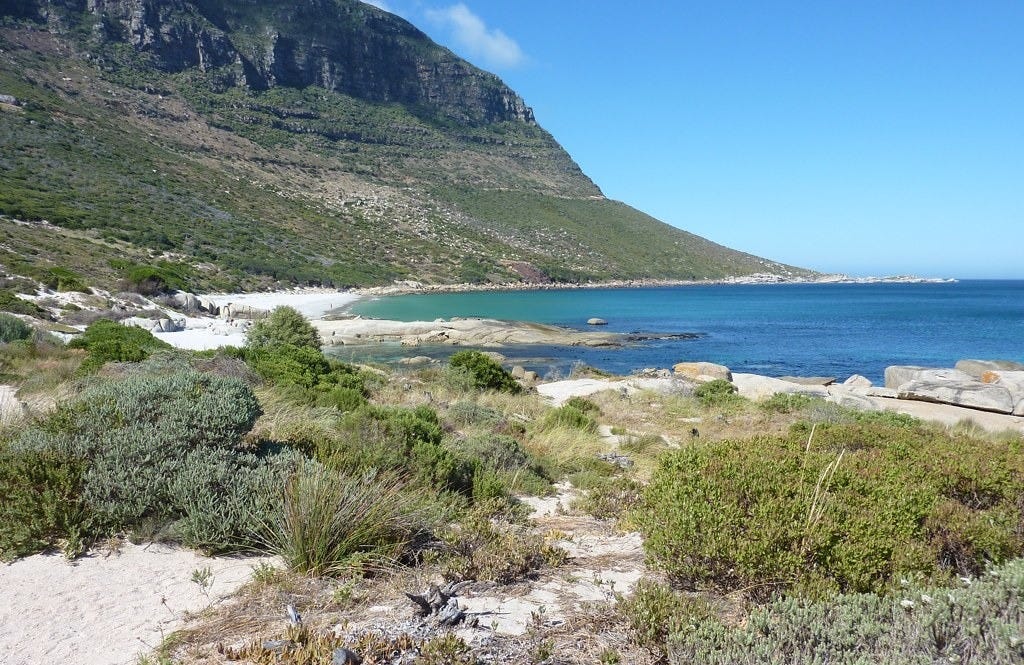
Just days after the bike ride cancellation, Cape Town’s long-used clothing-optional beach at Sandy Bay has come under formal review, with South African National Parks (SANParks) emphasizing that the site has “never been officially designated” for naturism. That long-standing ambiguity—decades of tolerated use without legal recognition—is now being forced into the open.
At the center of the story is a fast-growing petition calling for Sandy Bay to be formally recognized and regulated as a naturist beach. Within days, it gathered more than 1,000 verified signatures, with supporters arguing that the lack of official status has created predictable problems—harassment, voyeurism, and inconsistent enforcement—and that clear rules and designation would improve both safety and accountability.
Taken alongside the bike ride cancellation, the moment feels less like two isolated incidents and more like a broader inflection point. Informal tolerance—whether on the road or on the sand—is giving way to formal decisions about what is and isn’t allowed. The petition is an attempt to shape that outcome before it’s decided without them. 🚀
The fight to save Hooksiel’s FKK campground
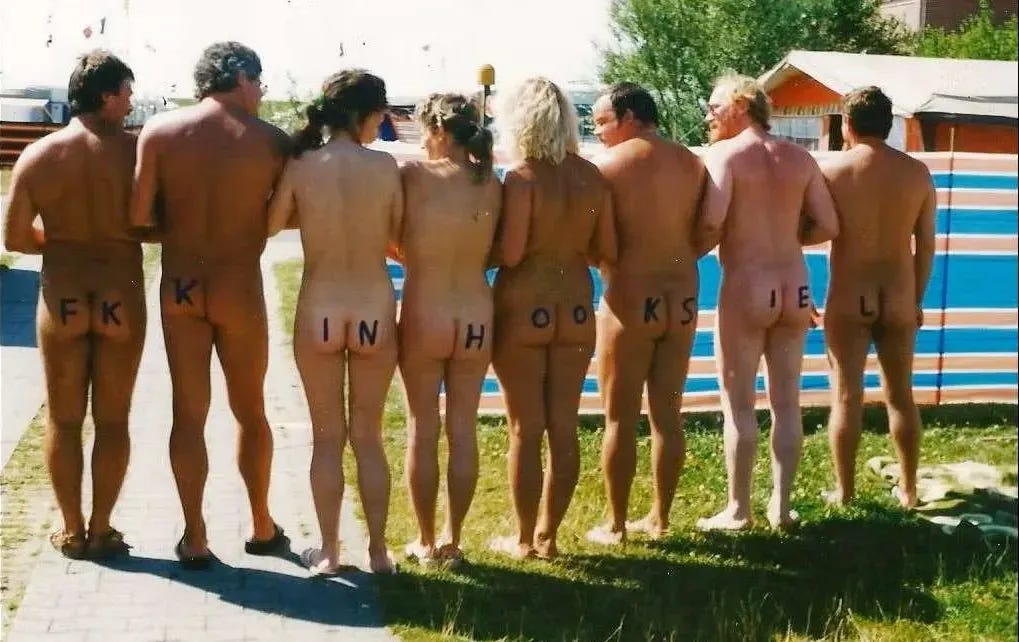
A growing petition effort is now at the center of the fight to preserve the naturist section of the Hooksiel campsite on Germany’s North Sea coast, after operators announced plans to eliminate it by 2027. Launched by a regional naturist association, the petition quickly gathered hundreds of signatures and has since drawn support from national and international groups, including the Deutscher Verband für Freikörperkultur (DFK) and the International Naturist Federation (INF-FNI), both of which are now actively pushing for a reversal or compromise.
What makes this more than a local dispute is how clearly the pattern is visible: the site isn’t being shut down, it’s being repurposed—replacing a dedicated naturist space with general tourism aimed at broader appeal. Hooksiel is one of the few remaining places on Germany’s North Sea coast where a nude beach and campground function as a continuous environment, and supporters see its loss as part of a wider erosion happening across Europe. 🚀
A time traveler’s guide to the nude
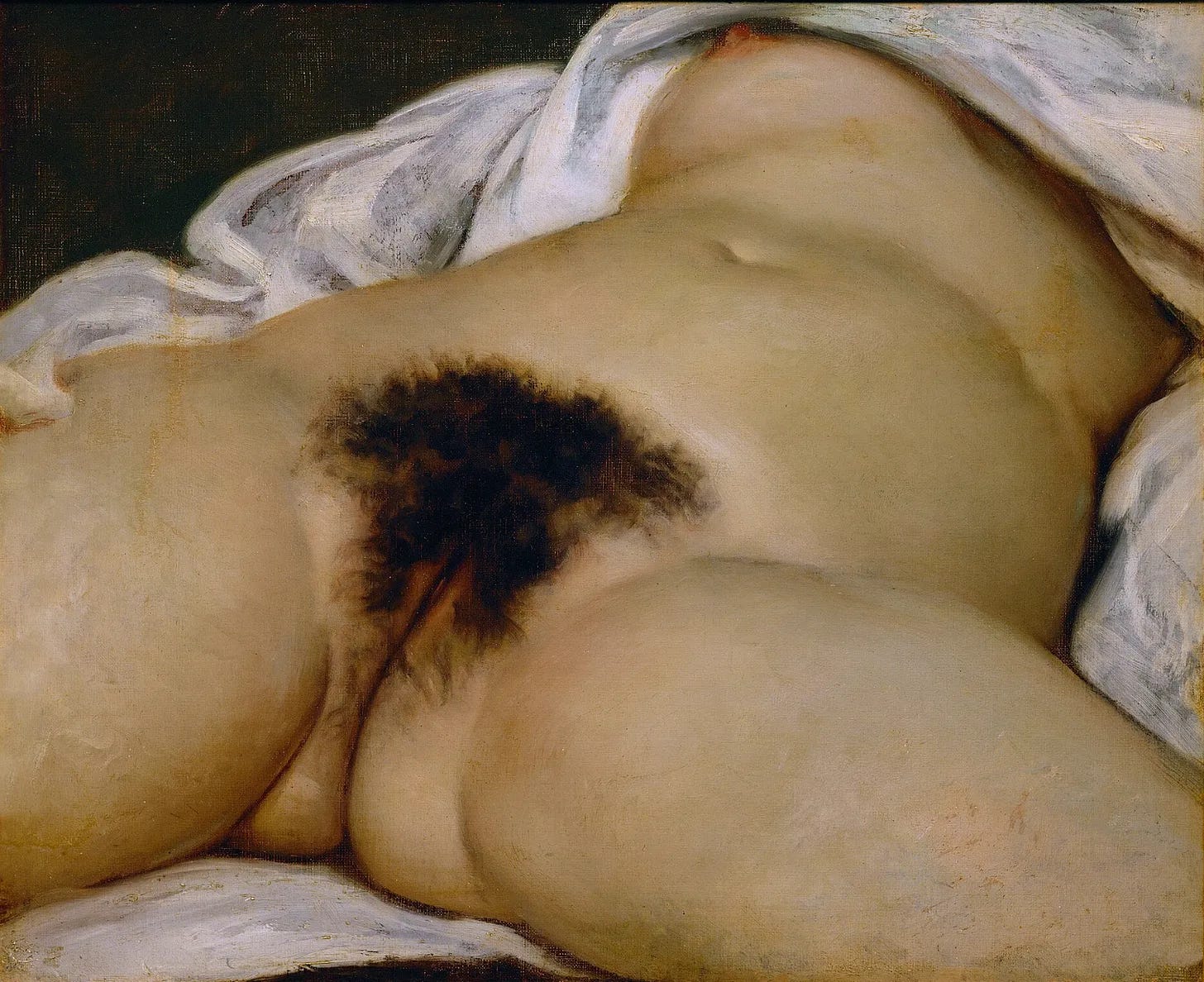
This delightful post by LoLo on the Substack Love Histories was a brisk, cheeky walk through Western art history traces how the “nude” has almost always come with an alibi—Greek ideals of male perfection, medieval warnings about sin, Renaissance mythological cover stories, and eventually Courbet discarding the pretense altogether. The piece is about the history of art and changing aesthetics, but also about who gets to look, and under what justification, with the female body increasingly positioned as something to be seen rather than self-possessed. By the time realism arrives, the polite fiction separating the “art nude” from “just naked” begins to crack. I learned a lot and it was well written enough to be an enjoyable read as well. 🚀
Sponsor message:


Out like a lamb.
That does it for this month’s News of the Nude. Now that it’s Spring, we’re feeling reborn, and looking forward to spending more time outdoors un our birthday suits. See you next month. 🪐