

South Africa may finally decide the fate of Sandy Bay
Cape Town's best-known unofficial nude beach is under review as a petition pushes for formal recognition

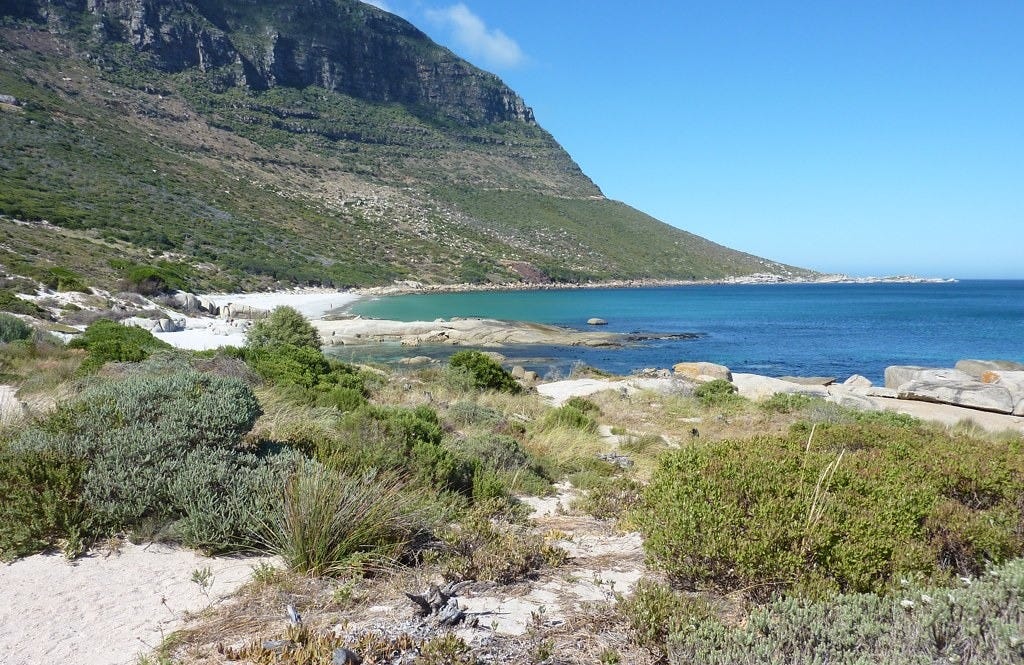
Sandy Bay, a secluded beach near Cape Town long used for clothing-optional recreation, is now under formal review by South African National Parks (SANParks), which says the site “has never been an official naturist beach.”1
The beach, located within within Table Mountain National Park, has been used for naturist recreation since at least the 1970s, with a more established nude presence by the 1980s as word spread among local beachgoers. By the mid-1990s, it was widely referred to as Cape Town’s “unofficial” nudist beach, a status that persisted through tourism guides and local knowledge. Its secluded, hike-in access helped sustain that arrangement, allowing clothing-optional use to continue largely undisturbed for decades.
Despite that history, its status has always been informal. That ambiguity is now being challenged from two directions. According to Cape {town} Etc, SANParks spokesperson JP Louw said the agency has engaged with the City of Cape Town, law enforcement, and community safety groups following concerns about unlawful activity, and that new signage is being prepared under legal review to clarify what is permitted at the site.
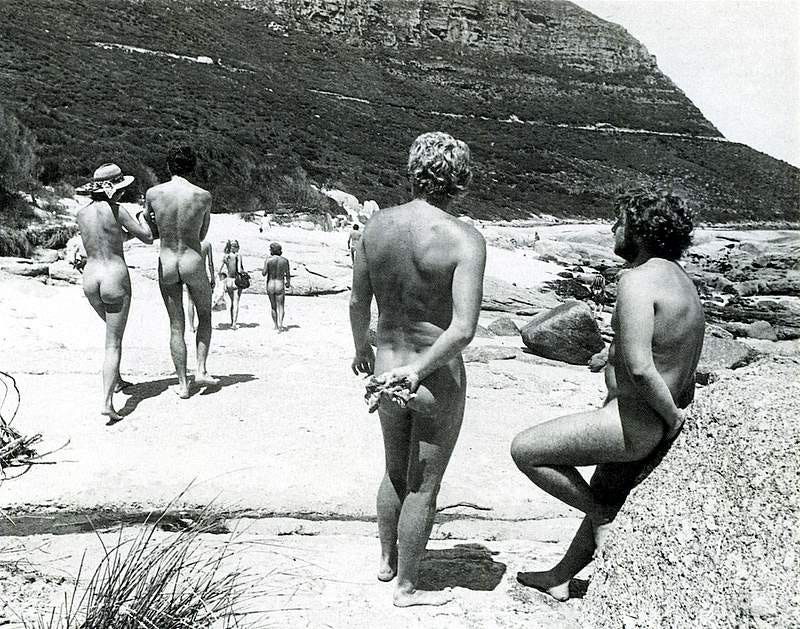
A petition launched on March 17 is calling for Sandy Bay to be formally recognized and regulated as a naturist beach, following growing concerns over enforcement, safety, and the beach’s uncertain status. The campaign passed 1,100 verified signatures within days, signaling that tensions around the site had already begun to surface publicly.
The petition argues that the lack of official status has created predictable problems: harassment, voyeurism, non-consensual photography, and recurring disputes over expectations. It proposes a regulated model with defined naturist zones, clear signage, enforceable rules, and a ban on sexual activity and non-consensual filming.
A background of battles
This is not the first attempt to formalize Sandy Bay. In 2014, the Western Cape Naturist Association led a similar campaign, also framing regulation as a way to improve safety and establish behavioral standards. That effort did not result in official designation, leaving the beach in its current legal grey area.
Recent reporting suggests that grey area may be narrowing. Some naturists have reported being told to cover up, though SANParks has said its rangers were not instructed to harass visitors. The agency has instead emphasized the need for clarity, pointing to complaints about unlawful conduct as a driver of the current review.
South Africa has limited precedent for formal naturist recognition. A section of Mpenjati Beach in KwaZulu-Natal was approved as the country’s first official nude beach in 2014 and opened in 2015 after public debate and opposition from local groups.2
The recent cancellation of Cape Town’s long-running World Naked Bike Ride announced last week comes at the same time as the heightened scrutiny of Sandy Bay. Together, they seem to suggest a noticeable shift in the naturist cultural landscape around Cape Town.
The review now underway forces a decision that has been deferred for decades.
For supporters of naturist use, the petition represents a chance to demonstrate demand for a regulated, recognized space. As authorities consider new rules, the number of voices behind that effort may help shape what comes next. 🪐
Rhoda, A. (2026, March 19). Longstanding Sandy Bay naturist element under SANParks review. Cape {town} Etc. https://www.capetownetc.com/lifestyle/sandy-bay-naturist-element-review/
BBC News. (2015, April 7). South Africa: Naturists flock to first nude beach. https://www.bbc.com/news/blogs-news-from-elsewhere-32204982
Signed