

Arizona governor vetoes HB 2133 over free-speech concerns
Katie Hobbs rejected the Protect Act, the deepfake measure naturists warned could chill nude publishing

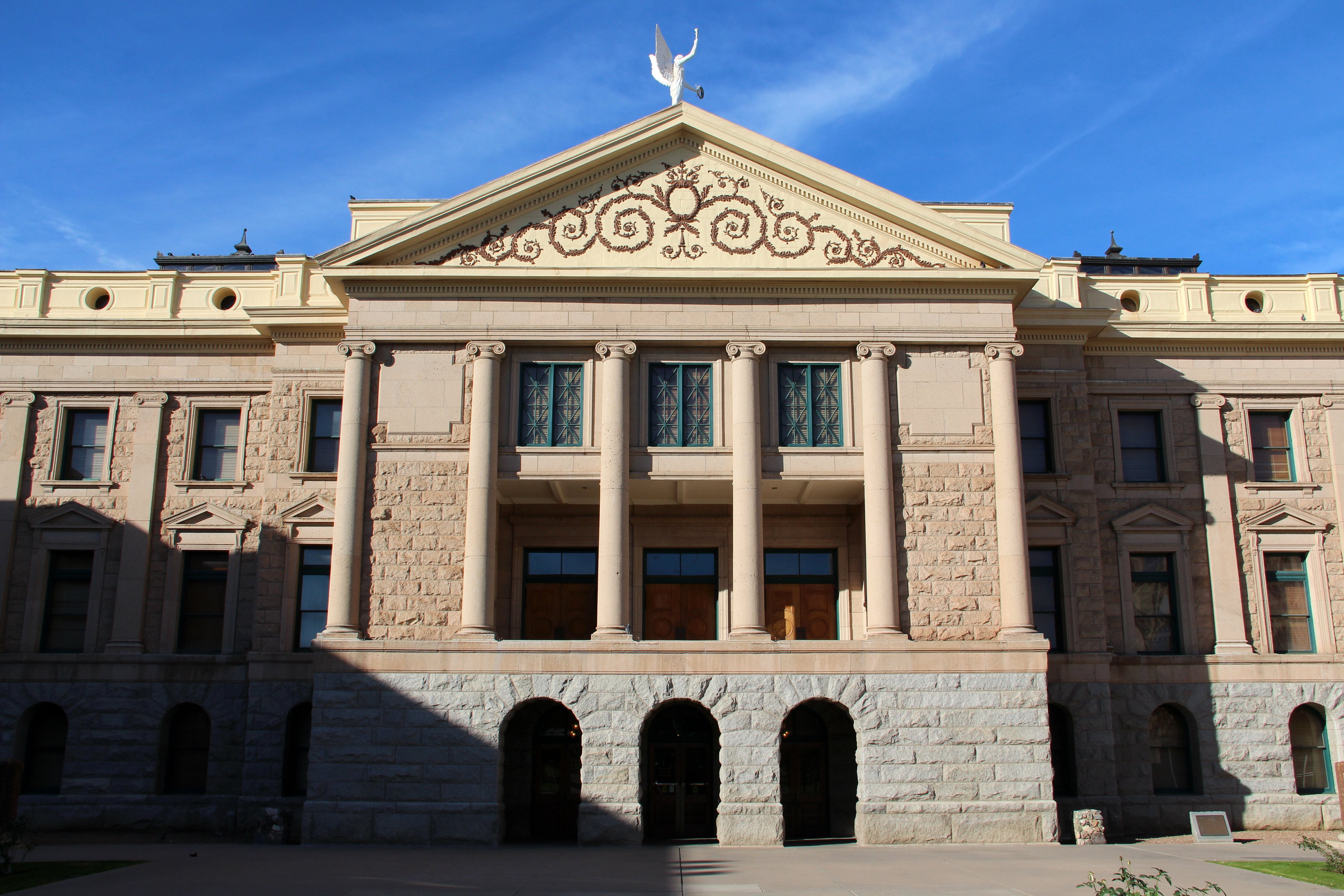
Governor Katie Hobbs has vetoed Arizona House Bill 2133, the deepfake and revenge-porn measure that naturist advocates warned could burden lawful nude publishing, ending a months-long legislative fight that the American Association for Nude Recreation had worked to defeat.
Hobbs vetoed the bill, known as the Protect Act, on June 19, the same day she signed the state budget and rejected dozens of other measures sent to her at the end of the session. In her veto letter to House Speaker Steve Montenegro, she wrote that the bill “has a chilling effect on free speech and would violate First Amendment rights to engage in satirical discourse about elected officials.” She added that her office had tried to work with the bill’s sponsor “on ways to further protect victims without shielding politicians from criticism.”
HB 2133 would have expanded Arizona’s existing law against nonconsensual sexual imagery to cover AI-generated “synthetic depictions,” and it would have required commercial websites publishing sexual material to verify that every person depicted consented and was at least 18, retain those records for seven years, and make them available to the attorney general. Violations carried civil penalties of up to $10,000 a day, and up to $250,000 where a minor was involved.
Hobbs argued the bill was also unnecessary, writing that existing state law covers AI-generated revenge porn and that the federal Take It Down Act, which requires platforms to remove nonconsensual intimate images on a victim’s request, already protects Arizonans.
The bill’s sponsor, Representative Nick Kupper, a Republican from Legislative District 25, called the veto disheartening and disputed the governor’s reasoning.
The veto resolves a concern Planet Nude first reported in March, when naturist and free-speech advocates warned that the bill’s broad language could sweep in lawful, nonsexual material. AANR Executive Director Erich Schuttauf described the bill’s scope as a grave concern, pointing to the difficulty of documenting consent years after an image was taken. He offered the example of a photo of nude beach cleanup volunteers standing beside the trash bags they filled on a project seven years earlier, and the near-impossibility of matching signed releases to everyone in a group shot. The bill also provided no mechanism, he noted, for a parent to consent to a minor child’s image.
Hobbs reached the same overbreadth conclusion by a different route, grounding her objection in political satire rather than the recordkeeping burden on publishers. One wrinkle complicates the free-speech framing on both sides: Meta, Google, and the Free Speech Coalition did not oppose the final version of the bill.
Because Republicans hold majorities in both chambers but lack the two-thirds needed to override a veto, HB 2133 is dead for the 2026 session. Kupper’s sharp disagreement with the outcome suggests a revised version could return next year. Hobbs, for her part, said in her veto letter that she remains committed to finding bipartisan ways to protect victims. 🪐
Planet Nude reported on HB 2133 as it moved to the governor’s desk earlier this month. This story follows that coverage.


The ignorance on the other side of our movement is strong and we must fight for the liberties of all Americans.