

Arizona's HB 2133 heads to the governor as naturists press for a veto
A bill aimed at deepfakes and revenge porn now sits on Katie Hobbs's desk, with AANR among those urging her to reject it

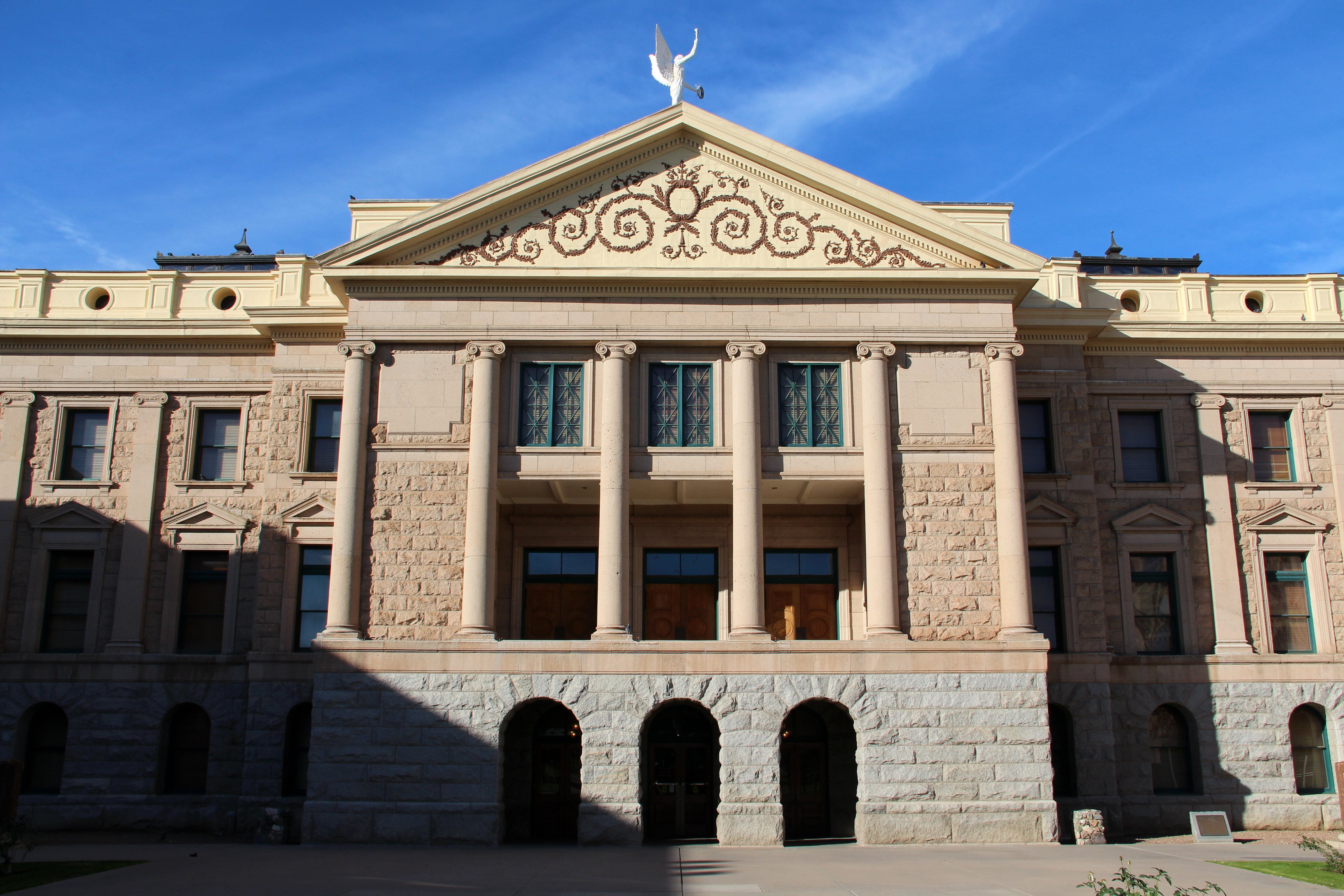
An Arizona bill that naturist advocates warn could burden lawful nude publishing was transmitted to Governor Katie Hobbs on Friday, setting up a final decision on a measure the American Association for Nude Recreation has spent months working to defeat.
House Bill 2133, titled the Protect Act, cleared its last legislative hurdle this week. The House adopted the conference version Thursday on a 35–20 vote, a day after the Senate signed off 16–12. The bill now awaits Hobbs’s signature or veto. As of press time, she had not acted.
The legislation expands Arizona’s existing law against nonconsensual sexual imagery to cover AI-generated “synthetic depictions,” and it creates new obligations for commercial websites that publish sexual material. Those sites would have to verify that every person depicted consented and was at least 18 when the image was made, retain those records for seven years, and make them available to the attorney general on request. Violations carry civil penalties of up to $10,000 a day, and up to $250,000 plus attorney fees where a minor is involved.
The bill’s sponsor, Representative Nick Kupper, a Republican from Legislative District 25, has framed it as a proactive response to revenge porn and AI-generated sexual abuse material. He has publicly predicted Hobbs will veto it and accused her office of working against the measure.
For naturists, the concern has never been the bill’s intent but its reach. As Planet Nude reported in March, the worry centers on scope and the chilling effect that broadly written internet laws tend to produce. Clubs and publishers that maintain long-term image archives could struggle to document consent years after the fact, and the seven-year recordkeeping requirement is a particular pressure point in communal settings where participation is fluid and records are not always kept.
AANR Executive Director Erich Schuttauf said the bill's scope is a grave concern, pointing to the difficulty of complying years after an image was taken. He offered the example of a photo of nude beach cleanup volunteers standing beside the trash bags they filled on a project seven years earlier, and the near-impossibility of matching signed releases to everyone in that group. Those are the issues for adults, he noted; the bill also provides no mechanism for a parent to consent to a minor child's image. Schuttauf said amendments made later in the legislative process created some protection for older material, which he called evidence of advocates' efforts, though concerns remain.
AANR has been tracking the bill and working with a lobbyist in Arizona. In the organization’s most recent member update, Government Affairs Team chair Tim Mullins wrote that the effort had reached “the final stretch,” adding, “It may advance to the Governor’s office this week, and we are fighting to get the bill vetoed.”
The association continues to press for a veto, working with a broad coalition of First Amendment supporters, but is not at this point calling for members to contact the governor's office. Whether the effort succeeds will be clear within days. 🪐
This story has been updated with comment from AANR. Planet Nude will continue to follow the governor's decision as it develops.
More reading:
Arizona bill raises concerns for naturist media

An Arizona bill designed to address revenge porn and synthetic sexual imagery is drawing concern from naturists and free speech advocates, who warn that its broad language could create unintended c…