

The science doesn’t back the fear around parental nudity
Why popular advice about children and bodies keeps overstating the risk

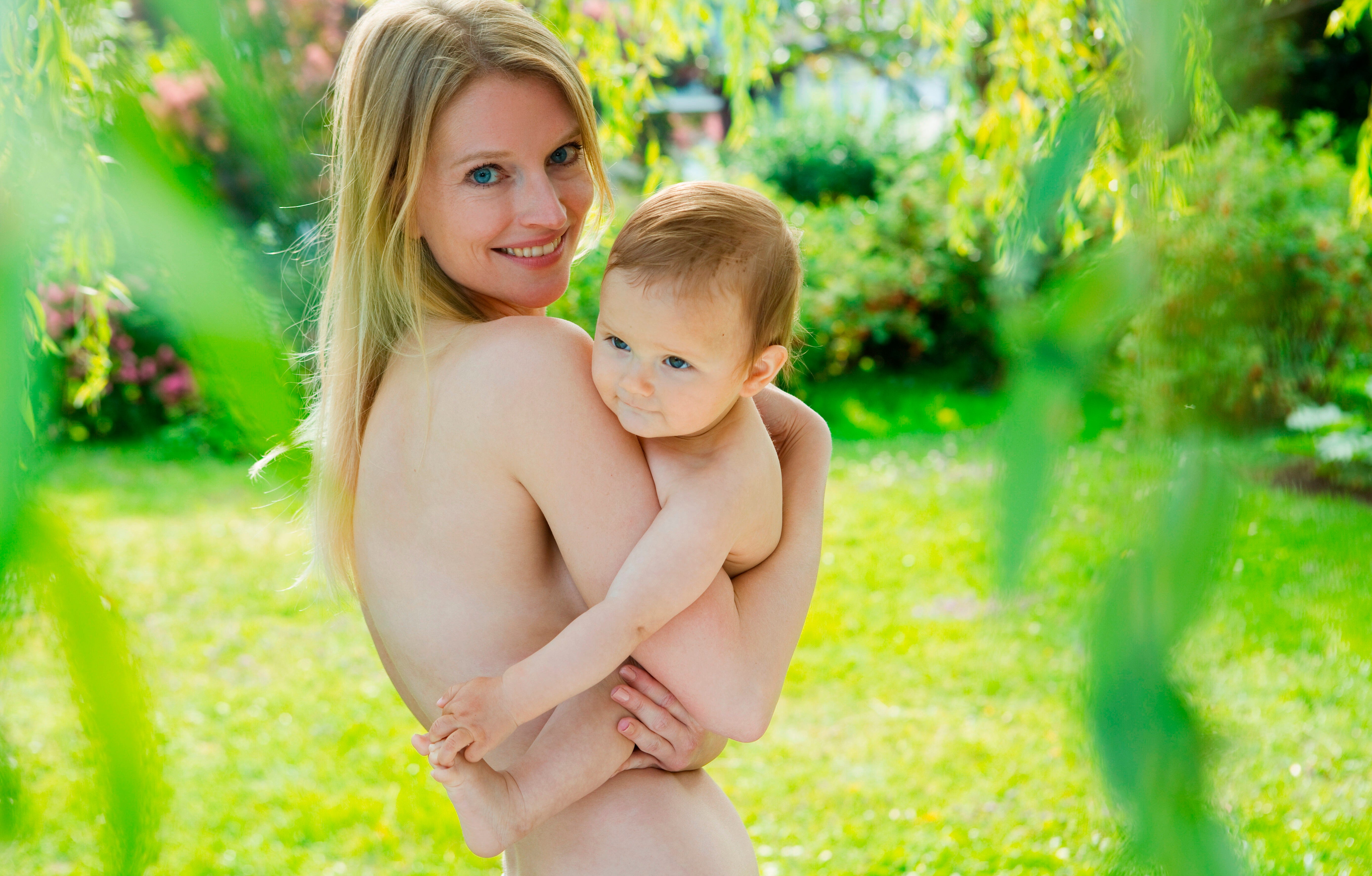
A recent Times of India lifestyle column advises parents not to change clothes in front of young children, presenting the idea as expert guidance on childhood boundaries and child safety. The piece centers on the views of Dr. Anuradha H. S., a pediatrician, teen health specialist, and parenting coach based in Bangalore with decades of clinical experience and a practice focused on confidence-based parent training. Dr. Anuradha, founder of the Confident Parenting Hub, hosts social media content for parents and positions herself as an authority on early childhood behaviors, privacy, and boundary setting.
In the video and article highlighted by Times of India, she warns parents that letting a spouse change clothes in front of a young child “may blur important lessons about personal space and respect,” and suggests that children under six “may assume bodies are always open for viewing” if adults undress nearby. According to the Times of India summary, she says modeling privacy by dressing and bathing in private helps teach respect for bodies and can “arm them with defense against child sexual abuse.”
That recommendation is framed as a matter of child well-being, yet the article does not provide citations to peer-reviewed research supporting the idea that non-sexual parental nudity confuses children or increases risk. It substitutes authority by assertion for data, repeating a common belief about nudity and children as if it were settled science.
The advice itself sounds reasonable at first glance: teach privacy, model boundaries, protect children from harm. But the leap from those goals to a claim of psychological risk tied to ordinary, non-sexual parental nudity is where evidence is essential. Decades of research have asked that question directly, and the answers are far less alarming than what the Times of India article suggests.
What the research actually says
The idea that children are harmed by seeing a parent nude has circulated for generations, often as “common sense.” When researchers began testing it, the results failed to support the fear.
As early as the 1960s, psychiatric researchers examined whether early socialization experiences, including exposure to parental nudity, distinguished children with mental health challenges from control groups. In all of those early studies, they did not. If parental nudity were a hidden driver of pathology, it should have shown up there. It didn’t.
Later work moved beyond indirect measures. Studies of nudist families and communities in the 1970s documented ordinary, rule-bound social environments centered on trust and responsibility, not boundary confusion. In the 1980s and 1990s, psychologist Marilyn Story conducted controlled comparisons and found that social nudists often reported healthier body self-concepts than non-nudists. In 1986, the book Growing Up Without Shame by Dennis Craig Smith and Dr. William Sparks studied adults who had been raised in nudist environments. Their studies found that children who had grown up in contexts that allowed for nonsexual and family nudity had healthier sexual outlooks and were more comfortable with their bodies than adults who were raised in non-nudist contexts.
The most rigorous evidence arrived in the late 1990s. An 18-year longitudinal study by Paul Okami followed 200 children from early childhood into late adolescence, tracking outcomes across self-acceptance, relationships, behavior, substance use, and sexual adjustment. Early exposure to parental nudity was not associated with negative outcomes on any of these measures. The researchers found no empirical basis for the widespread belief that such exposure causes harm.
More recent work, including pre-registered studies published in the 2010s and 2020s, particularly by Dr. Keon West, continues in the same direction. Participation in naturist contexts correlates with improved body image, self-esteem, and life satisfaction. Retrospective studies examining childhood exposure to non-sexual family nudity find no adverse effects. Some even suggest downstream benefits in comfort with one’s body.
This does not mean “anything goes.” Researchers consistently distinguish between everyday, non-sexual nudity and sexualized exposure. The former is what these studies examine. The latter is where real harm is documented. Conflating the two collapses a crucial distinction and muddies public understanding.
The cost of evidence-free warnings
The Times of India article gestures toward child sexual abuse prevention, implying that avoiding nudity helps “arm” children with defense. That concern is understandable. In India, as in many countries, conversations about child safety unfold against real fears about abuse, silence, and stigma. Parenting advice does not emerge in a vacuum, and cultural norms around modesty, privacy, and respect for elders shape how these warnings are delivered and received. Acknowledging that context matters. But context is not evidence.
Child protection research, across countries and cultures, does not identify ordinary, non-sexual parental nudity as a risk factor for abuse. What consistently increases risk are secrecy, coercion, grooming behaviors, power imbalances, and exposure to sexualized content or conduct. Teaching children about consent, bodily autonomy, and the difference between appropriate and inappropriate touch is essential. None of that requires parents to frame their own bodies as inherently confusing, dangerous, or inappropriate for a young child to see.
Some clinicians and educators have argued the opposite. When children encounter bodies in everyday, non-sexual contexts, they may be better positioned to recognize when something is out of place. Familiarity can reduce mystification and shame, making conversations about boundaries more concrete rather than more difficult.
This is where cultural distinction matters. Privacy norms around bodies vary widely across societies and historical periods, including within India itself. What counts as appropriate exposure in one family or community may differ from another. The problem arises when a culturally specific preference is elevated into a universal claim of psychological harm without supporting data.
Saying that privacy is valued, or that modesty plays an important role in a given cultural setting, is one thing. Saying that parents who change clothes in front of a toddler are making a “huge mistake,” or placing their child at risk, is another. The former is a social norm. The latter is an empirical claim, and it requires evidence.
When advice columns present unevidenced claims as child-safety imperatives, they do more than misinform. They risk reinforcing body shame and amplifying fear, especially in cultures where discussions of the body are already tightly constrained. Parents already navigate a dense web of expectations and anxieties. Adding moral urgency without data raises alarm rather than understanding. If the goal is to help children develop healthy boundaries, the evidence points toward clear communication, respect for consent, and a firm distinction between ordinary bodies and sexual behavior. Ordinary family nudity, on its own, does not undermine those lessons. That harm claim has been repeated far more often than it has been demonstrated.
Parenting advice deserves the same standard we apply to any claim about harm, regardless of culture. Ask for data. Ask what studies actually show. When we do, the picture that emerges is calmer, more grounded, and far less sensational than a viral warning suggests. 🪐


You are absolutely correct.