

The clock is running on Mākena
The state calls it a routine upgrade. Advocates aren't convinced, and a June 23 hearing is closing in.

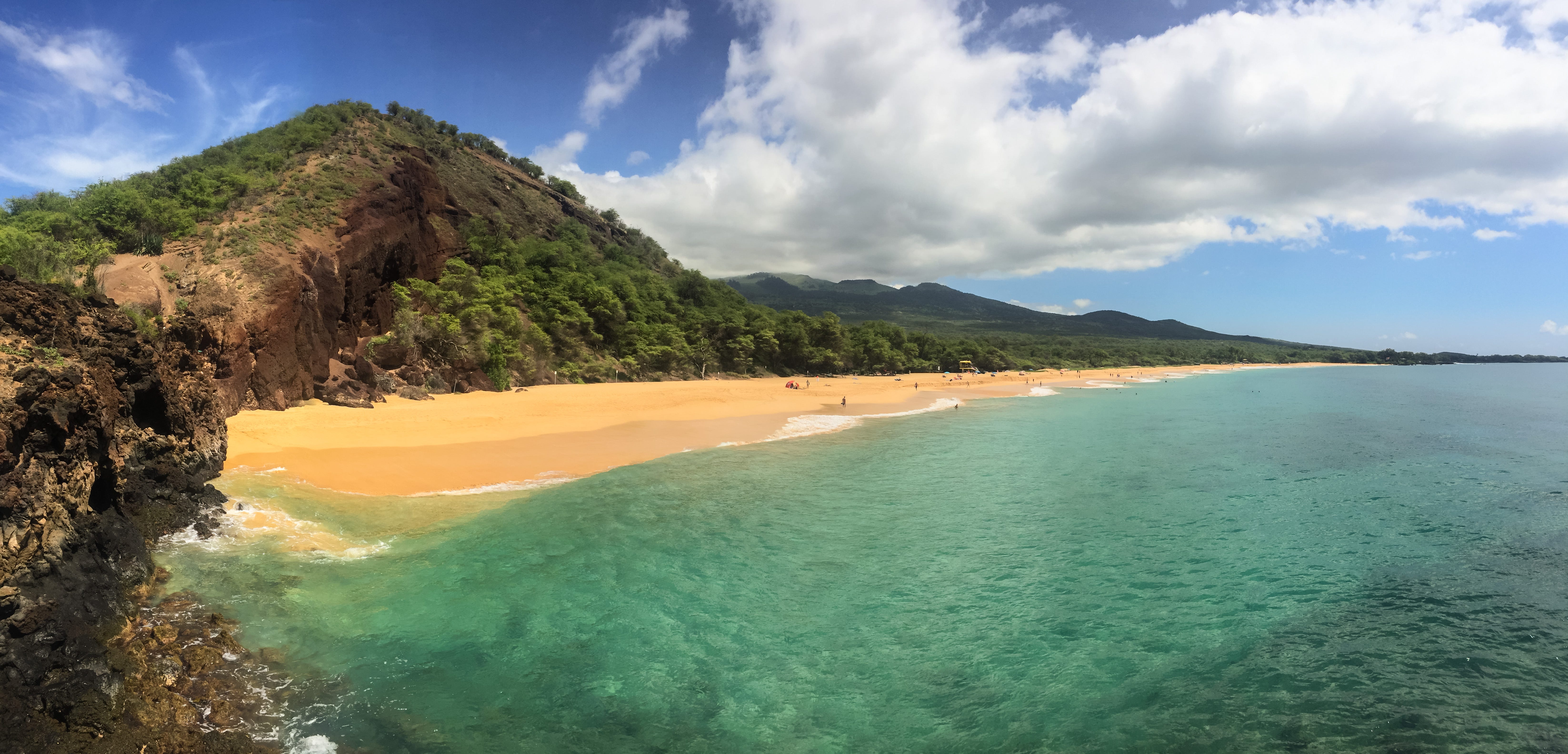
A Maui Planning Commission hearing that could shape the future of Mākena State Park—and Little Beach, the clothing-optional cove tucked behind its headland—is now less than two weeks out, and the window for public comment is closing with it.
The commission is expected to consider a Special Management Area permit for the state’s “Mākena State Park Improvements” project on June 23. For anyone who wants a say, written testimony submitted ahead of the hearing is the most direct way in—and it doesn’t require being in Hawaiʻi, or a resident, to weigh in.
The state has spent recent weeks framing the project as routine. In a May news release, the Department of Land and Natural Resources described comfort stations to replace existing portable toilets, new outdoor showers, and expanded paved parking in areas where overflow currently spills onto the shoulder of Makena Road. Acting State Parks Administrator Alan Carpenter said the improvements would have “no impact on access for the public” and would simply provide quality infrastructure. Taken at face value, it’s hard to argue with better bathrooms.
But Little Beach regulars have learned to read past the face value. The cove has operated as a clothing-optional space for more than five decades despite nudity being technically illegal throughout Hawaiʻi’s state parks—a status resting entirely on informal tolerance. That tolerance collapsed in late 2020, when enforcement sweeps resumed and the state installed a gate and signage to close the beach. The lesson advocates drew from that period is that you don’t need a new rule about nudity to squeeze out an informal space. You just have to change how people enter and move through the park. Parking and infrastructure are how access gets controlled.
The deeper concern is that the current project clears the way for a managed-access model like the one at Hāʻena State Park on Kauaʻi, where entry now runs through advance reservations, timed slots, and paid shuttles. None of the public documents for the Mākena project describe a reservation system, and Carpenter has said residents have no reason to worry. But the concern isn’t invented. As Honolulu Civil Beat has reported, then-DLNR Chair Dawn Chang told state lawmakers in 2023 that the agency was considering a reservation system at Mākena, and that it planned to install a fence around the park to “restrict the people who access from outside the park boundary and to further ensure that capacity is regulated” by discouraging street parking.
That testimony sits uneasily beside this year’s assurances—and the official who gave it is on her way out. Chang has been on medical leave since December 2025 and will retire July 1; Ryan Kanakaʻole, who has served as acting chair during the Mākena debate, becomes permanent chair the same day—a transition already reflected on the DLNR release itself, which lists Kanakaʻole as acting chairperson. The hearing falls just days before the handoff.
The departure of one official doesn’t resolve the underlying question, and the people closest to the beach aren’t reading an all-clear. The American Association for Nude Recreation, through its West Region, is funding professionals to work the access question ahead of the hearing—an effort its leadership has described as aimed at heading off registration requirements, hourly time limits, and fees at Mākena. In its weekly report, AANR Government Affairs Chair Tim Mullins characterized the project bluntly: it “purports to be an access improvement plan, but a closer look shows it is a cash cow” that limits access to both sides of Mākena. For a national organization to put paid resources behind a single Maui beach is its own signal of how the stakes are being read.
None of which is settled by a reassuring press release. The hearing is where it gets decided, and testimony submitted now becomes part of that record.
So what can you do? Submit written comment to the Maui Planning Commission at mauicounty.gov/191/Maui-Planning-Commission. You don’t have to live in Hawaiʻi, or even visit, to weigh in.
What should you say? Keep it about access. Nudity isn’t legal at Mākena to begin with, so a defense of clothing-optional use carries no weight with the commission—and raising it only narrows a fight that works better wide. The arguments gaining traction concern parking, public entry, and the preservation of the park’s wilderness character. A broad coalition defending open access to a beloved park is far harder to dismiss than a narrow stand over one cove. The most effective way to protect Little Beach right now is to not make it about Little Beach.
The hearing is set for June 23. Comments submitted before then are part of the record that shapes it. 🪐


Bye Makena.