


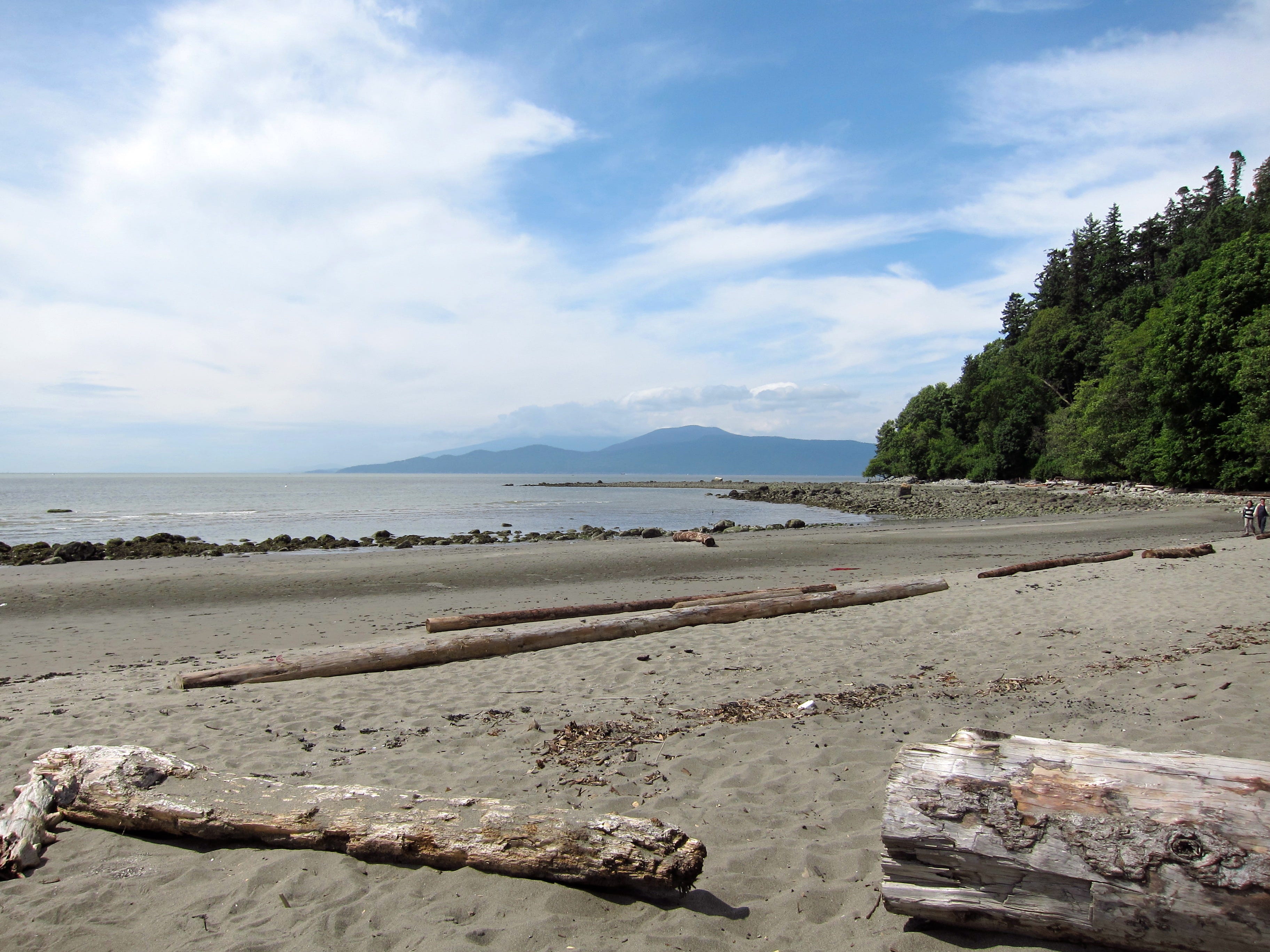
Wreck Beach, Vancouver’s renowned clothing-optional sanctuary, is facing a contentious debate following changes implemented by Metro Vancouver. Aimed at improving safety and accessibility, these changes have sparked significant backlash from longtime visitors and naturists, who argue that the alterations have compromised their privacy and the beach’s unique character.
A Change.org petition titled “Petition to Preserve Wreck Beach’s Unique Natural Character” garnered over 1,100 signatures in just two weeks. The petition, launched on May 31st, highlights several key concerns, including the loss of natural features, increased surveillance, ecological impact, lack of community engagement, and increased intimidation by clothed visitors. Petitioners argue that the removal of the large logs has led to a rise in voyeurism, with “herds of men in city clothing” coming to the beach to film women and children, thereby compromising the privacy and safety of beachgoers.
The current controversy began in 2022 when Metro Vancouver decided to remove and rearrange large logs on the beach, which had been used by beachgoers as natural barriers against wind, sun, and unwanted onlookers. According to Metro Vancouver, the logs were reorganized to improve sightlines for park patrols, facilitate emergency responses, and create more open space for the public. However, this decision was met with strong opposition from the Wreck Beach community.
“It’s a long-going fight, to be honest,” one frequent Wreck Beachgoer told Planet Nude. “Some regulars have abused the privilege and caused safety issues. [Metro] Vancouver is overreacting. Both have legitimate concerns.”
Metro Vancouver's position
Metro Vancouver has defended its actions, stating that the changes were necessary to address the increasing number of emergencies at Wreck Beach, which has seen a 20% rise in visits over the past five years. Paul Brar, a division manager with Metro Vancouver, told CBC News that the log cleanup was conducted based on recommendations from emergency response providers, including the Royal Canadian Mounted Police, Vancouver Fire and Rescue Services, the British Columbia Ambulance Service, and the Canadian Coast Guard. The aim was to improve accessibility and safety for both visitors and emergency responders.1
“We absolutely want to preserve that unique social character, but at the same time, we need to be responsible in how we’re managing the beach,” Brar told CBC. He added that staff and beach lifeguards often educate new visitors about expected behavior, such as not staring or taking photographs.
Ecological and cultural impact
Beyond privacy concerns, the petition also raises alarms about the ecological impact of the log removal. The chainsawing and scattering of logs along the shoreline are said to disrupt local wildlife, including the spawning cycles of lancer fish. This ecological disruption, combined with the increased presence of voyeurs, has led to a significant change in the beach's atmosphere, making longtime visitors feel unwelcome and unsafe.
Wreck Beach has a rich history dating back to Indigenous habitation around 13,000 B.C., according to its Wikipedia page. The beach became a popular spot for nude bathing during the Great Depression and was officially designated as a nudist beach in 1991. The Wreck Beach Preservation Society (WBPS), established in 1977, has been instrumental in protecting the beach from various development threats, ensuring it remains a natural haven for nudists and nature lovers alike. Attempts to contact WBPS for comment on the current petition were unsuccessful before the publication of this article.
Calls for action
The petition calls for immediate action to restore the large logs and natural barriers, re-engage with the community, and implement measures to protect beachgoers' privacy and safety. It also demands a leadership change, advocating for new leaders who truly understand and respect the unique nature of Wreck Beach.
As the debate continues, the question remains: Will Metro Vancouver heed the community's calls and restore the beach to its former state, or will the changes remain in place, altering the character of one of the world’s most beloved clothing-optional beaches?
In the meantime, the Wreck Beach community remains resolute in its fight to preserve the beach’s unique natural character, ensuring it remains a safe and welcoming haven for naturists and nature lovers for generations to come. 🪐
Pawson, C. (2024, June 8). Wreck Beach users say Metro Vancouver is meddling with management of clothing-optional site. CBC News. https://www.cbc.ca/news/canada/british-columbia/wreck-beach-privacy-logs-1.7228770
"... Create open space for the public"... That wording is too vague to be acceptable. Honestly, it's usually used to hide something.
As for Mr. Barr's comment about lifeguards 'educating the public', gawkers do not stop gawking unless they have nothing to gawk at or there is some sort of negative consequence every time they gawk.