


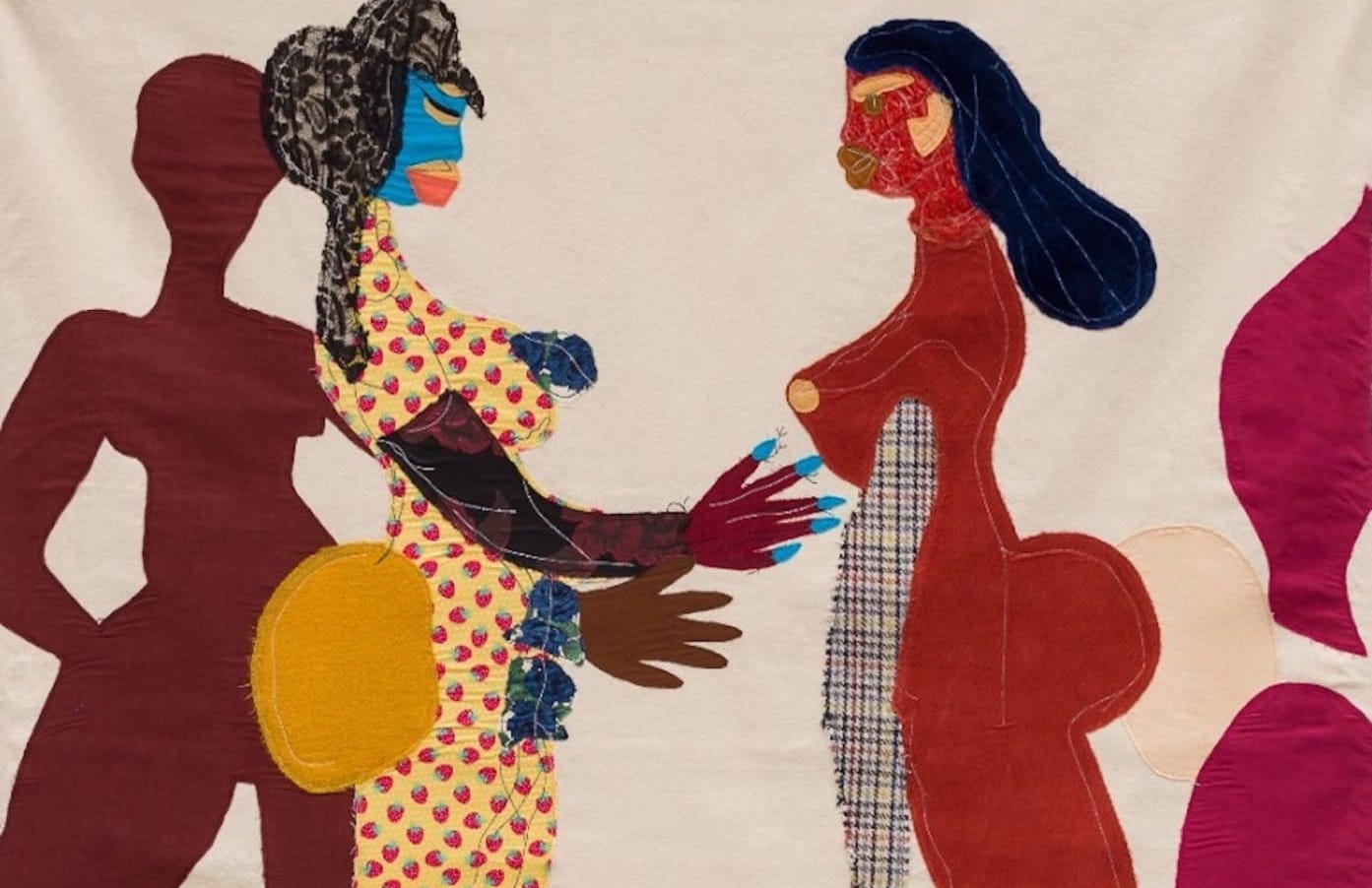
The naturist community has always been a haven for those seeking freedom from the constraints of a world that can feel overwhelmingly judgmental and prescriptive. But in recent years, we have been faced with a growing list of challenges that threaten to erode the very spirit of naturism. An increasingly hostile textile world, reductions in spaces where we can be clothes-free, the misuse of AI to alter images in ways that go against body freedom (such as non-consensual, AI-generated pornography), and a rising tide of misogyny and hostility toward marginalized groups—all of these forces are pushing against the openness and acceptance that naturism is meant to provide.
Beyond body acceptance
For many women in naturism, the discussion often centers on body acceptance. It’s a vital conversation, especially given the hypersexualization and unrealistic standards imposed upon us in the textile world. This constant scrutiny shapes our perceptions of ourselves and is one reason many women are drawn to naturism, where we can find relief from these pressures. But the conversation doesn’t—and shouldn’t—end with body acceptance. Women need more than just the freedom to accept their bodies; they need to be seen, respected, and accepted as whole people. They deserve the same rights and freedoms as anyone else and to be defended with equal vigor against threats, discrimination, and hostility.
A call for true inclusivity
Recently, I made the difficult decision to abstain from attending a naturist event. It wasn’t the event itself that kept me away, nor was it the people there—people I’d come to know and respect in this shared space of openness. Instead, it was the steady drumbeat of misogynistic attitudes online, attitudes that have grown louder and bolder, that made me question whether my peace of mind would be safe in an environment where 80% of attendees are men. While I would like to believe that those harmful beliefs wouldn’t find their way into a naturist setting, the silence from so many about this pervasive misogyny has made me skeptical. If men everywhere else are growing emboldened in these views, what assurance do I have that the naturist community is immune?
This skepticism is new for me, and it’s deeply unsettling. The naturist community hasn’t changed in any outward way, but everything outside it has, and we have to respond with equal force if we want naturism to remain a sanctuary of respect and inclusion. It’s no longer enough to assume that people will behave with respect; we must create an environment where respect is the standard and make it clear that misogynistic or discriminatory behavior will not be tolerated.
To some, this may seem like an overreaction. But consider what’s at stake. Without a clear stance against discrimination, naturism risks becoming a space that feels unsafe or exclusionary, particularly for women and other marginalized groups. And without women, without diversity, naturism itself will dwindle and diminish, losing the very essence that makes it so powerful.
It’s not enough to simply believe in inclusivity; it must be actively upheld. We need DEI initiatives, codes of conduct, and policies that are visibly in place and actively enforced. We need to let everyone know that the naturist community stands against misogyny, racism, and all forms of discrimination. If we don’t, we risk alienating those who would otherwise embrace naturism, bringing their unique experiences and perspectives into a community that thrives on diversity.
Now is the time to be bold, to stand together, and to ensure that naturism remains a sanctuary for everyone. In doing so, we can ensure that naturism remains not only alive but vibrant and welcoming for generations to come. 🪐

It is very scary and contrary to how I was brought up and lived my life. I see it getting much worse before better especially with what has happened in the States.
May God bless.
To touch on one of the many points you raise, I think the notion of diversity, equity, and inclusion is going to need a rebrand. "They" have managed to make "DEI" a dirty, much derided term. And while "they" do indeed favor discrimination, marginalization, and exclusion, many still aren't willing to admit it out loud, so a new expression is needed to fight discrimination, marginalization, and exclusion. Or maybe I'm wrong. Maybe it's too late for the USA.