

Beyond the nude image
A thousand words on spectatorship, story, and what gets lost when nudity is only seen in pictures

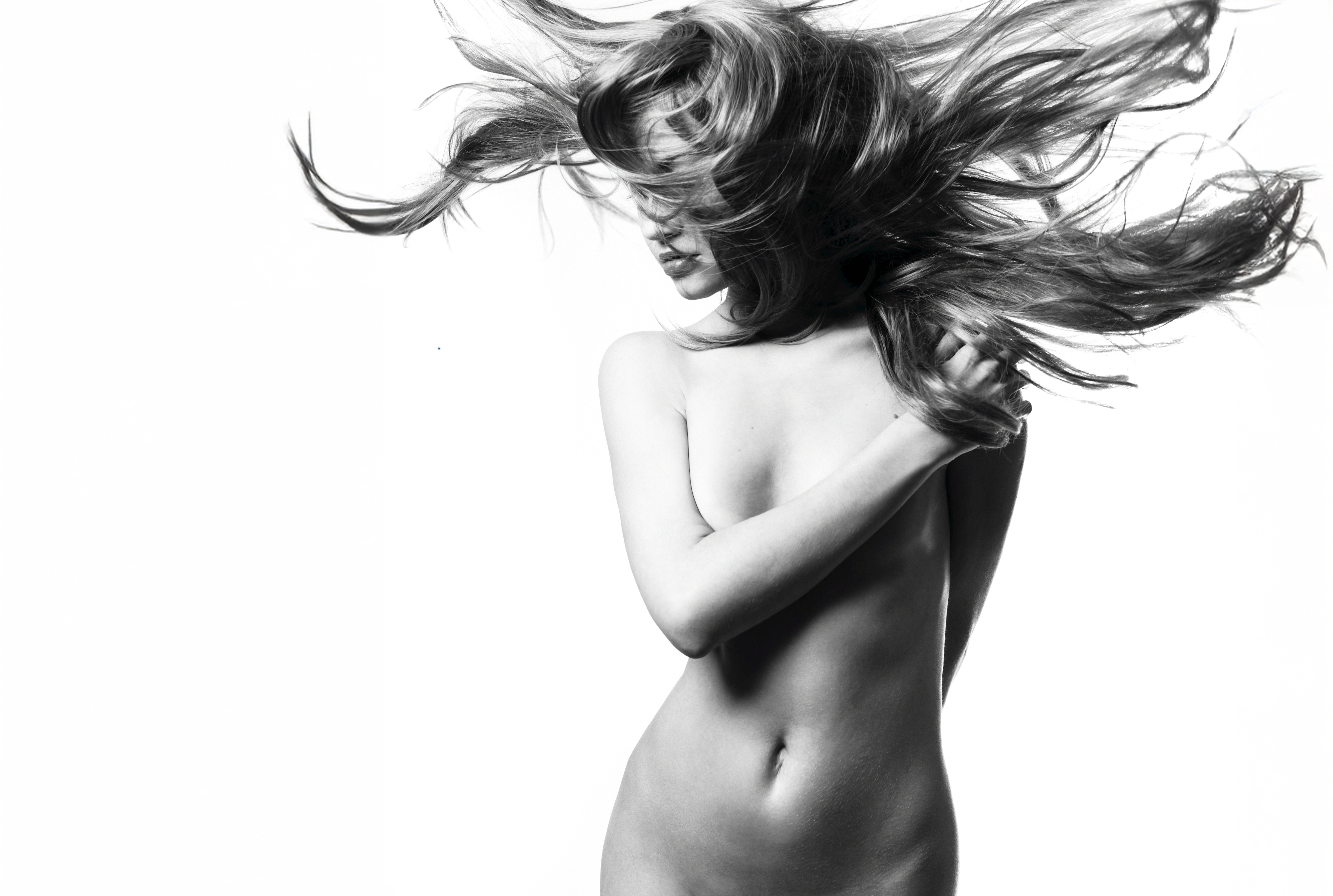
There is nothing wrong with looking at nude bodies. Seeing ourselves and others without clothes can be grounding, affirming, joyful, scary, freeing, empowering, etc., etc. Images have always been part of how nudity circulates in culture, and for reasons that are obvious: they are immediate, emotional, impactful, and importantly, they’re easily shared. Plus, often times, they’re striking, and reliably tend to grab attention. But when nudity becomes reduced to images alone, something larger gets flattened—and I’m not talking about all of the body’s dimensional bumps and bulges.
Much of today’s nudity discourse lives on screens, across social and traditional media. Carefully curated and intentionally framed bodies, meant to signal confidence, rebellion, freedom, allure, liberation, etc., etc., in a single glance, and those messages are often so heavily weighted that, even in the best of circumstances, what we’re seeing reflects more of a photographer’s vision than a genuine moment of truth about nudity. Even in spaces that reject sexualization, the visual still tends to dominate more nuanced understandings of nudity’s truly liberating and therapeutic qualities, and the nude body easily becomes the point rather than the doorway.
That focus is understandable; images travel faster than ideas. They bypass language. They can provoke. While they can be deceptive, they can also tell the truth about something. Art has real power to move people, and images can condense emotion, politics, and intention into a single frame in ways language often can’t. But they also narrow the conversation. When nudity is treated primarily as something to be viewed, it adopts the logic of spectatorship. A picture may indeed be worth a thousand words, but those words are often not the same for every viewer. Plus, sometimes you need more than one thousand words to make a point. Interpretation often beats intent.
For the uninitiated, a nude image is still often read as something scandalous or taboo, regardless of intent. A glance at the comment section beneath a female naturist’s photo on social media is usually enough to see how quickly an innocent expression of nudity is reinterpreted as sexual spectacle. The result is a version of nudity that appears provocative while being filtered through familiar assumptions about sex, exposure, and transgression.
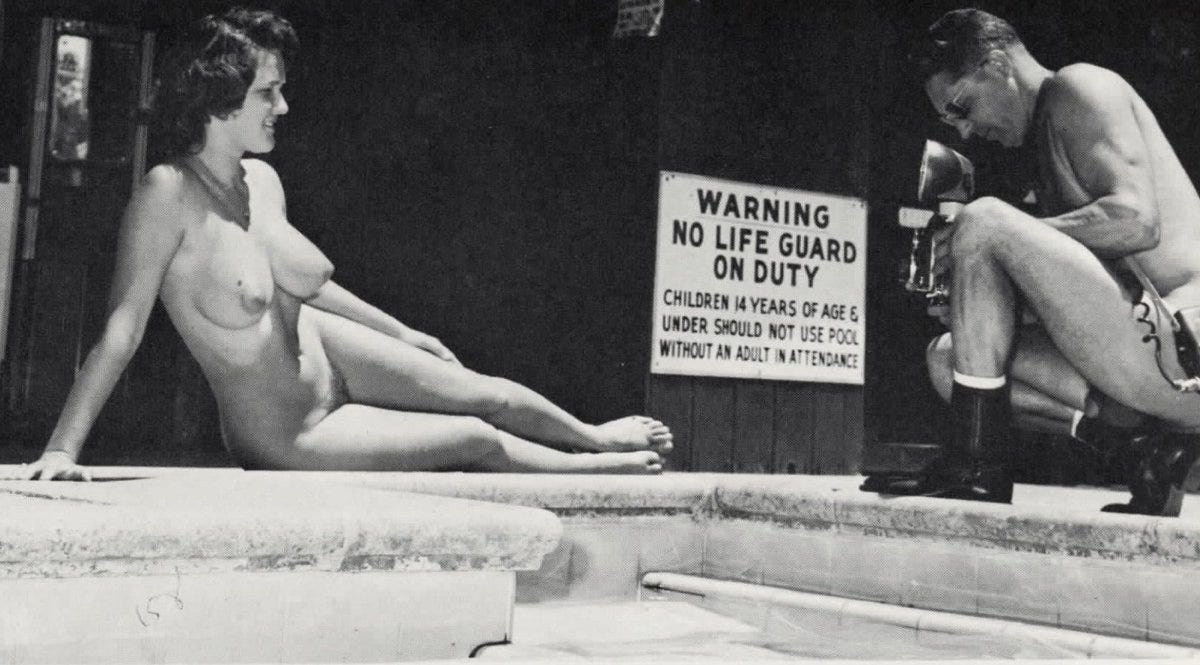
That visual logic also isn’t neutral. The history of nude imagery in naturism, even when created with good intentions, has been shaped heavily by the male gaze. Women’s bodies have often been positioned as proof points for freedom, beauty, or legitimacy, framed in ways that subtly center male desire and expectation. Those images may appeal to women as well, but they still carry inherited narratives about who nudity is for, who it welcomes, and who is meant to be watching. Over time, this skews perception. It can attract more men than women, reinforce gender imbalances within nudist spaces, and not-so-subtly suggest that women’s participation exists primarily as visual validation. None of this requires bad faith. It’s the result of repetition, of visual storytelling doing too much work on its own, weaving small fictions into what claims to be a simple truth about nude bodies. What gets lost is everything nudity does beyond being seen.
What gets lost is story.
Story matters here in a way images rarely can. Most people do not decide to try nudity because they saw a convincing photograph. They decide because someone they trust told them what it felt like. The awkward first moments. The unexpected normalcy. The relief of realizing nothing dramatic happened at all. These experiences move through narrative, not imagery.
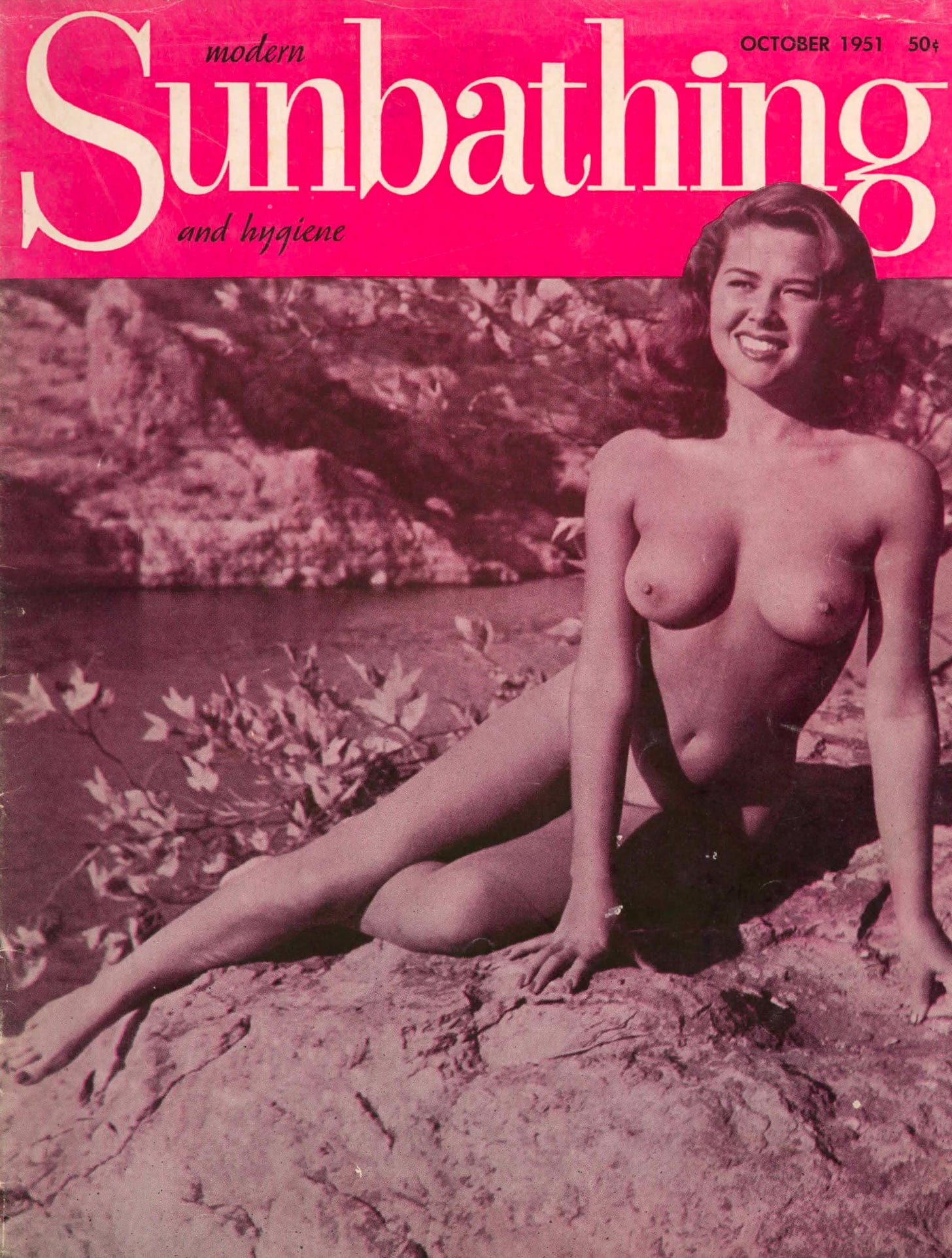
In shared nude settings, the most striking thing is rarely how bodies look. Most newcomers remark first on how quickly bodies stop being the subject at all, as conversations take on a different tone and people move and speak with less self-monitoring. Before long, the social hierarchies that tend to organize clothed spaces begin to loosen. These shifts are subtle and difficult to capture visually, but they shape the experience far more than any photograph ever could.
When nudity is shared as story, it gains texture and stakes. Story carries doubt, context, and consequence. It allows room for fear, humor, resistance, change, etc., etc., over time. An image can show a body and its scars. A story shares what that body went through to earn those scars, what it learned and how it felt, why the experience mattered, and what it meant. For people standing at the edge of curiosity, story provides permission in a way images never can.
To be clear, going beyond the nude image does not mean abandoning images as part of advocating for nude acceptance or body freedom, and it certainly isn’t a call for people to stop sharing their nudes. Have at it, baby. Visual culture will always be part of nudity’s ecosystem, and it should be. What it does require is a bit more care in how images are used and understood, and a resistance to substituting visibility for meaning. A movement that leans too heavily on being seen can flatten its own complexity, while a practice grounded in story, experience, and history develops the depth and durability needed to last.
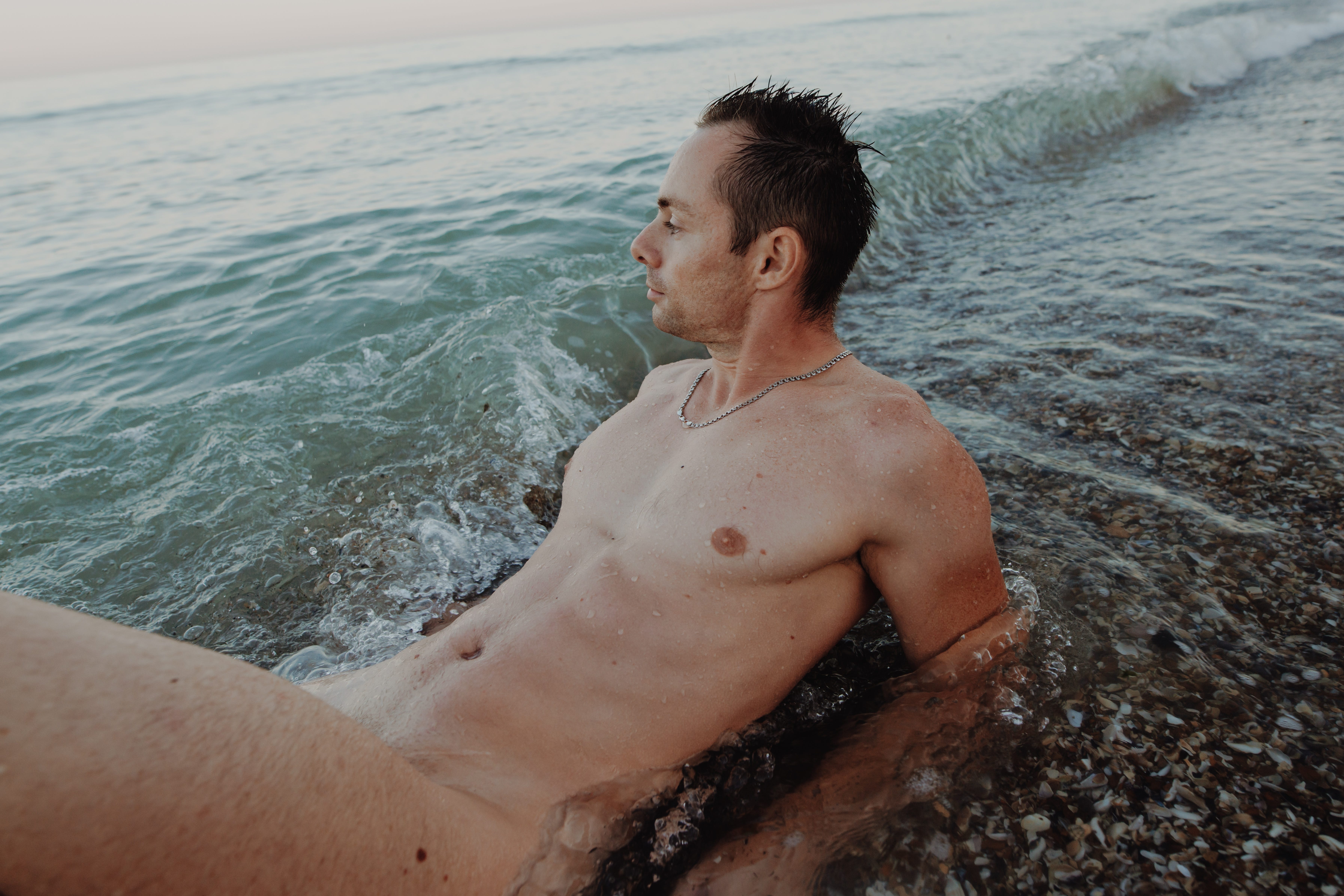
That depth comes from story, and from people being willing to tell it. Nudity becomes legible to others not through images, but through lived experience shared honestly. Stories carry hesitation, context, and change over time. They explain why something mattered, not just what it looked like. For many people, hearing a real account from someone they trust does far, far more to open the door to nudity than any image ever could.
If nudity has shaped your life in any meaningful way, tell that story. Share it with friends. Write it down. Talk about what surprised you, what challenged you, what stayed with you. These experiences do not need to be dramatic or definitive to matter. Diverse perspectives make this conversation stronger, and every sincere account adds something worth hearing.
Planet Nude is one place where those stories can be shared. I’m always open to essay submissions, reflections, and thoughtful personal writing that treats nudity as lived experience rather than spectacle. If you have a story you’d like to tell, you can send it to evan@planetnude.co.
A love for nudity or an interest in nude recreation spreads because people talk about it far more than just because it looks good in a photograph. If we care about nudity as a lived practice, then telling those stories is where the work actually happens. 🪐